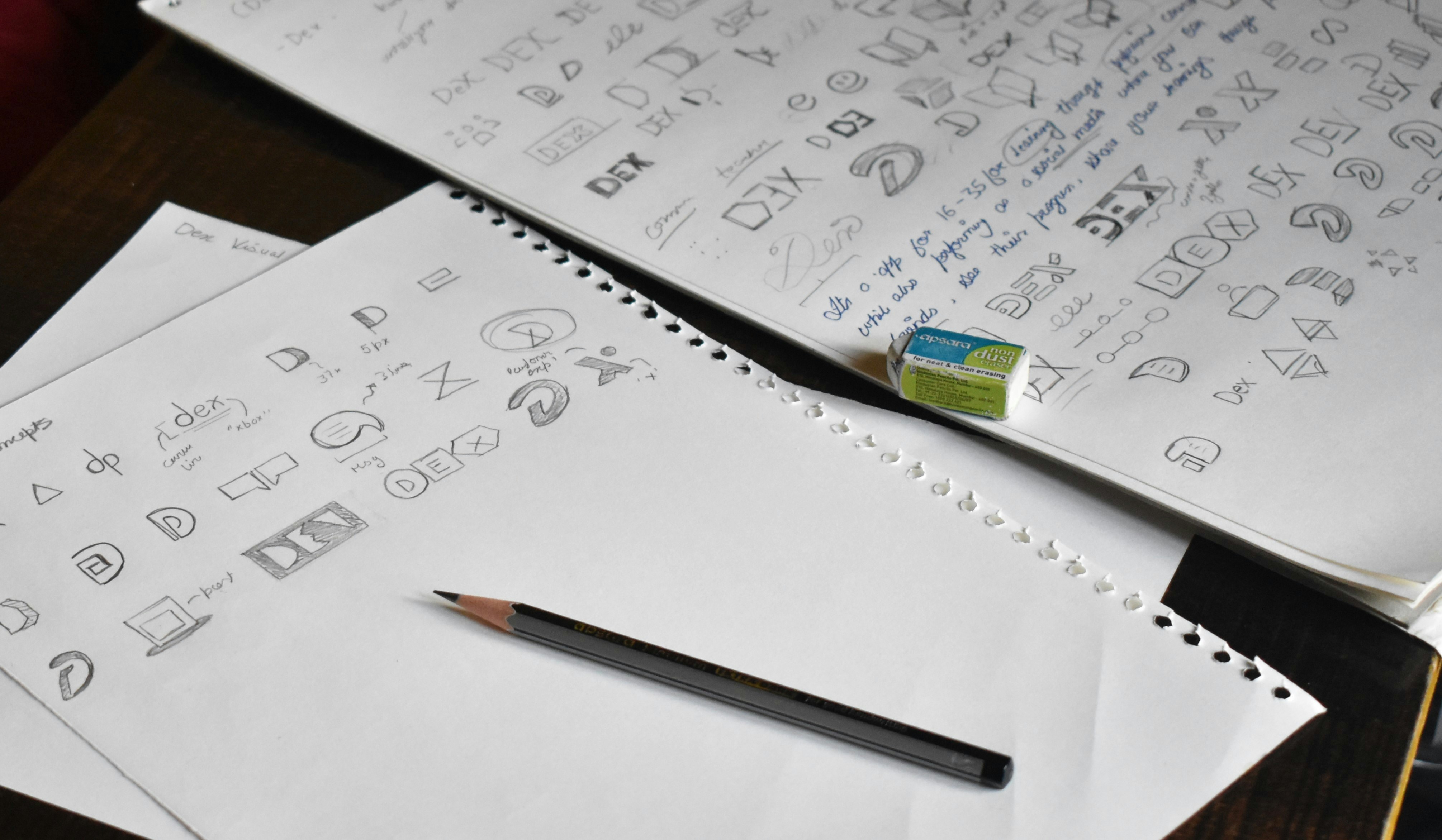
It’s easy to look at a finished design and think it happened quickly. A logo, a website, or a brand system might appear simple on the surface — but good design is rarely rushed. Behind every strong visual outcome is a thoughtful process.
Understanding the difference between process and output helps explain why quality design takes time, and why that time is a valuable investment rather than a delay.
Output: What You See at the End
The output is the final deliverable — the tangible result of a design project. This might be:
A logo
A website
A brand identity
A printed piece or digital asset
Output is what clients usually focus on because it’s visible and concrete. It’s also what gets shared, launched, and used publicly.
In summary
Output is the result — not the work behind it.
Process: What Happens Before the Design
The process is everything that happens before the final design is delivered. This is where clarity is built, decisions are tested, and ideas are refined. A strong design process typically includes:
Discovery and research
Understanding the business, audience, and goals
Strategy and direction setting
Concept development
Exploration and refinement
Feedback and iteration
Final execution and preparation
Each stage informs the next. Skipping steps often leads to confusion, revisions, or design that looks good but doesn’t work.
In summary
Process is the thinking, testing, and refining that makes the output effective.

Why Design Can’t Be Rushed
Good design solves problems. It communicates clearly, supports your brand, and creates trust — and that requires time. Rushing design often results in:
Surface-level aesthetics with no strategy
Inconsistent branding
More revisions later
Design that doesn’t scale or adapt well
Time allows designers to:
Ask the right questions
Explore multiple directions
Make informed decisions
Create work that’s intentional and long-lasting
Simple vs Easy
A Common Misunderstanding
One of the biggest misconceptions is that simple design is easy. In reality:
Simple design is often the result of careful reduction
Clarity comes from eliminating what isn’t necessary
Strong visuals are refined, not accidental
What looks effortless at the end is usually the product of thoughtful problem-solving behind the scenes.
Process vs Output: A Quick Comparison
Aspect | Process | Output |
|---|---|---|
What it is | Thinking and strategy | Final design |
Visibility | Mostly unseen | Public and visible |
Time investment | Ongoing throughout the project | Delivered at the end |
Purpose | Ensures clarity and effectiveness | Communicates the result |
Value | Prevents mistakes and misalignment | Represents your brand |
Why This Matters for Your Brand
When you invest in process, you’re not just paying for visuals — you’re investing in:
Strategic clarity
Consistency across platforms
Design that supports long-term growth
Fewer revisions and stronger results
Design done properly saves time and money in the long run by getting things right from the start.
Final Thoughts
Good design takes time because it’s thoughtful, strategic, and intentional. The output may be what you see, but the process is what makes it work. When design is rushed, it shows. When it’s given the time it deserves, it delivers results that last.
Want design that’s built properly from the start? Get in touch →